
Most people think of the Caribbean as a single idea: white sand, flat turquoise water, and an unbroken line of beach resorts. It is an image that has been marketed for decades, and it holds because it is partly true. But the Caribbean is more than its coastline, and the Dominican Republic — more than most nations in the region — proves it.
Drive an hour and a half south from Santiago, past the tobacco fields and the small roadside colmados, and the land begins to change. The air cools. The vegetation thickens. The road starts to climb. By the time you reach Jarabacoa, you are at roughly 1,700 feet above sea level, nestled in the Cordillera Central — the highest mountain range in the Caribbean. This is not the Dominican Republic of the travel brochure. This is the highlands.
A Climate Unlike Anywhere in the Region
Jarabacoa sits in a valley surrounded by pine-covered mountains, fed by three major rivers: the Yaque del Norte, the Jiménoa, and the Baiguate. The average temperature hovers between 65° and 80°F year-round — a kind of perpetual spring that has earned the town its nickname, the City of Eternal Spring. For residents accustomed to the coastal heat, and for foreign investors familiar with the Caribbean’s humidity, this climate is not just pleasant. It is rare.
Mornings here carry a light mist. The rivers run cold and clean. The surrounding mountains — including Pico Duarte, the tallest peak in the Caribbean at over 10,000 feet — create a microclimate that supports vegetation you will not find anywhere else on the island: wild orchids, ferns, pine forests, and coffee plants that thrive in the altitude and shade.
Coffee, Rivers, and the Culture of the Mountains
Jarabacoa’s coffee culture is not a novelty — it is an economy. The region produces some of the finest arabica coffee in the Caribbean, grown on hillside fincas at elevations that give the beans a bright, clean acidity. Several of these farms now offer agritourism experiences, from guided tastings to overnight stays in converted farmhouses. The coffee here is not a souvenir. It is an introduction to a way of life.
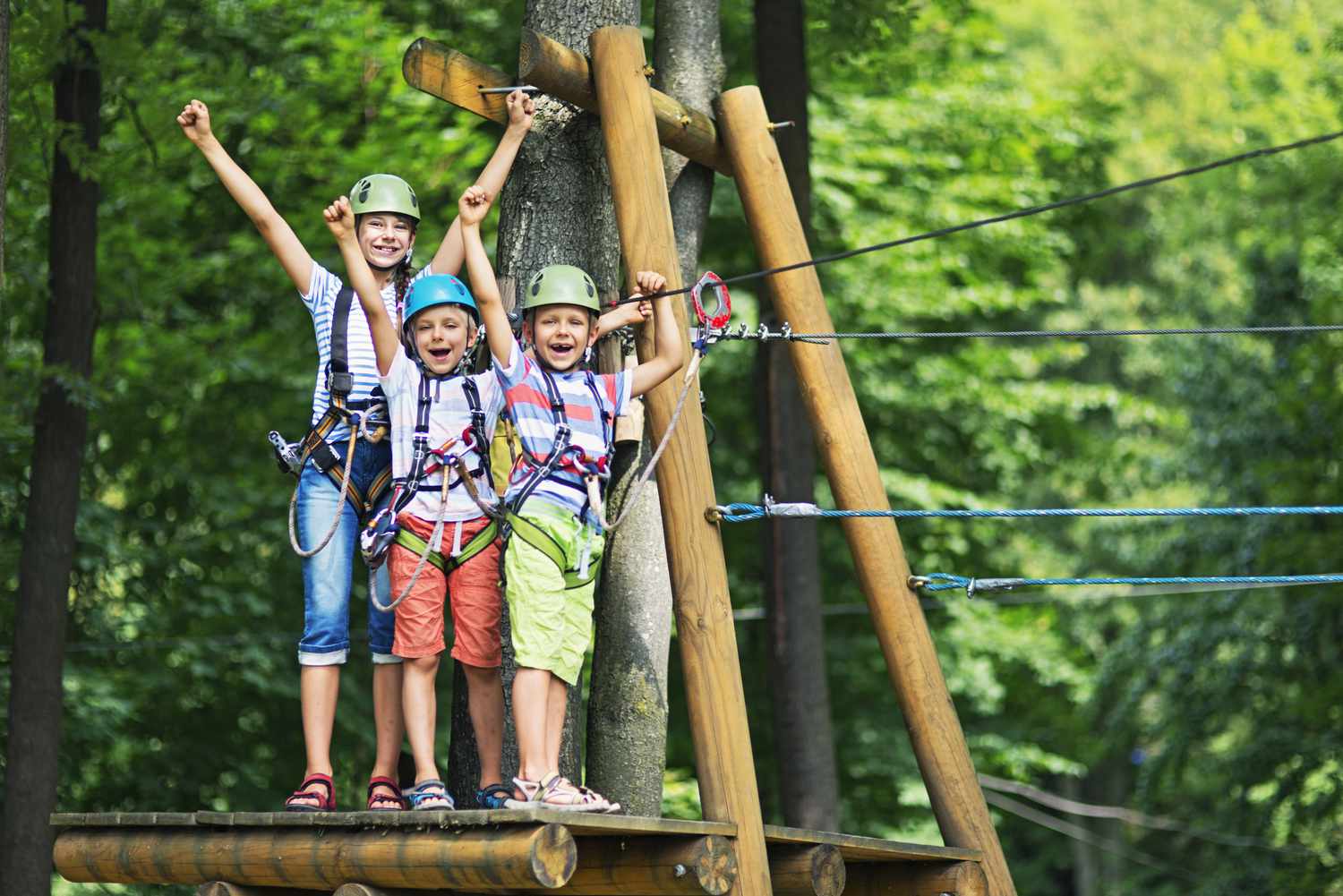
Then there are the rivers. The Yaque del Norte is the longest river in the Caribbean, and its rapids near Jarabacoa attract adventure tourists from across the hemisphere. But beyond the rafting, the rivers shape daily life: they irrigate the farmland, power small hydroelectric stations, and create the waterfalls — Salto de Jiménoa, Salto de Baiguate — that have become landmarks of the region.
Why the Highlands Matter for Investment
The Dominican Republic’s tourism economy has historically been concentrated on the coast — Punta Cana, Samaná, Puerto Plata. But a shift is underway. The government has invested in road infrastructure connecting Jarabacoa to major cities. The international airport in Santiago is under 90 minutes away. And the demand for mountain tourism — eco-lodges, wellness retreats, adventure travel — is growing faster than the inventory can keep up.
What this means for real estate is straightforward: Jarabacoa is still early. Land values remain a fraction of what comparable mountain destinations command in Costa Rica, Colombia, or even the Dominican coast. But the fundamentals — climate, access, natural beauty, and growing demand — are aligned in a way that suggests this will not last.
Where Alterra Begins
Alterra Village sits on a hillside above Jarabacoa, where the valley opens toward the mountains and the Yaque del Norte runs below. The site was chosen not for convenience but for correspondence — a place where the architecture and the land could speak the same language. The residences here are designed to frame the views, not compete with them. The materials are drawn from the region. The pace is set by the climate.
This is not a retreat from the world. It is an arrival at a specific part of it — a part most people overlook, and a few have been quietly building lives around for years. Jarabacoa is not the Caribbean you expected. It is the Caribbean you did not know was there.
Back to Stories